By Cristian Daron
The fastest way to increase eCommerce revenue without more traffic is to increase Average Order Value (AOV). Upsell and downsell funnels are the most reliable way to do this. Here's the framework I use.
The Funnel Architecture
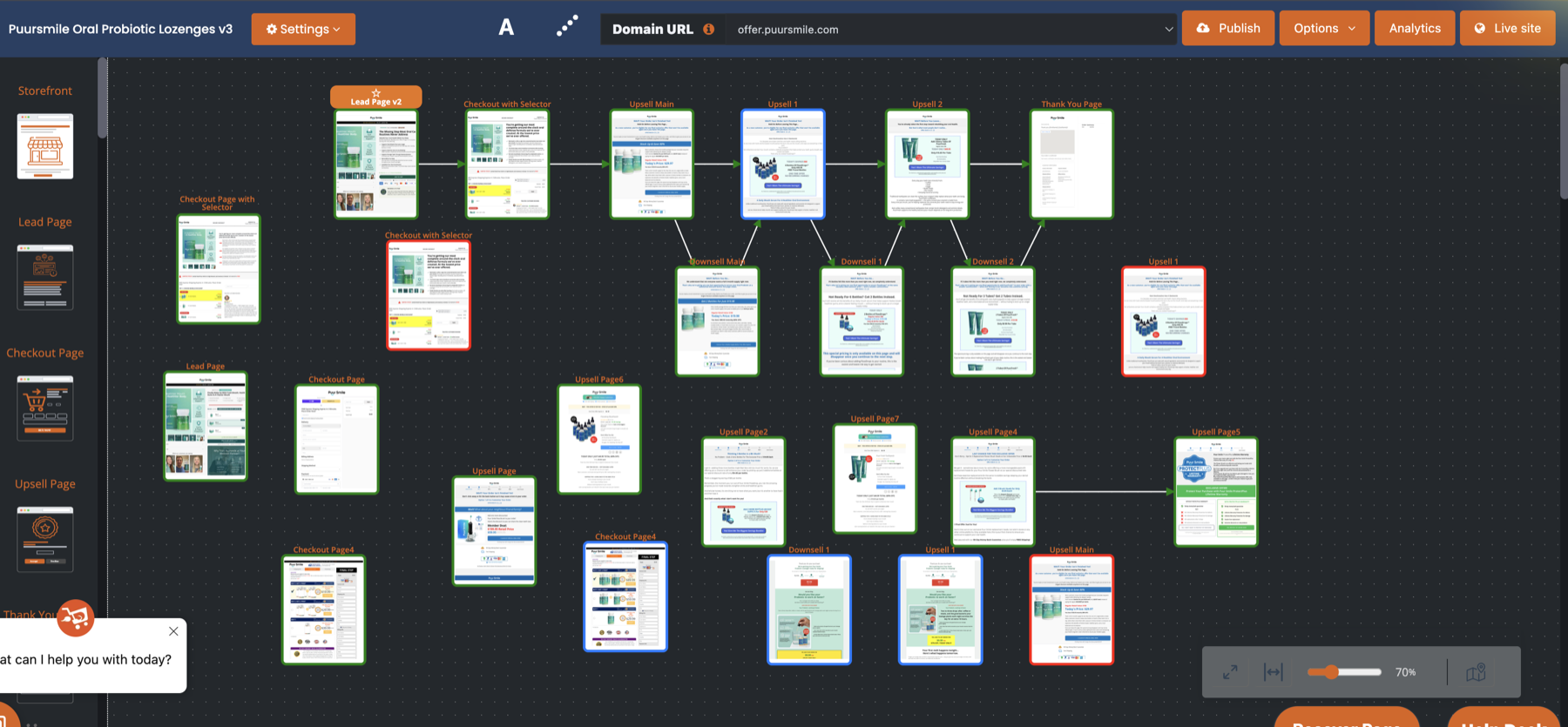
A well-designed upsell funnel follows this sequence: main purchase → upsell offer 1 (high value) → if declined, downsell offer 1 (lower value alternative) → upsell offer 2 (complementary product) → if declined, downsell offer 2 → thank you page. Each step is a single decision: yes or no.
The Psychology of Post-Purchase Offers
Post-purchase upsells work because of a psychological principle called 'commitment and consistency.' Once a customer has made a purchase decision, they're in buying mode. The credit card is already entered. Adding another item is a much smaller decision than the original purchase.
Offer Selection Strategy
The right offer at the right time is everything. Rules I follow: upsell 1 should be the highest-margin complementary product (same category, 30–50% of original cart value), downsell 1 should be a smaller size or lower-priced version of upsell 1, upsell 2 should be from a different category (cross-sell), and downsell 2 should be a discount on a subscription or bundle.
Checkout Champ Implementation
I build most upsell funnels in Checkout Champ because of its flexibility. Each upsell page is a dedicated landing page with: a single product offer, compelling copy emphasizing the 'only with this purchase' angle, a one-click accept button (no re-entering payment), and a clear decline link. The key is speed, each page must load in under 1 second.
Pricing Psychology
The upsell price should always be framed relative to the original purchase. 'Add this moisturizer for just $19, that's 40% off the regular price.' Always show the discount. Always show the regular price crossed out. The perceived deal drives acceptance rate more than the actual price.
Measuring Funnel Performance
Track these metrics for each step: impression rate (how many saw the offer), acceptance rate for each upsell and downsell, revenue per impression, and impact on overall AOV. I review these weekly and test new offers monthly.
A Real Example
The Puur Smile offer funnel runs on its own domain with three upsells, each with a downsell behind it: more of the product just bought (or fewer, if declined), then a complementary product, then a small final offer. I don't quote percentage lifts for funnels like this: they launched from almost nothing, so any percentage would measure the starting point rather than the work.